

What is Actually Inside a “Mushroom Vape”? Unpacking the Chemistry, Safety, and Global Landscape of Inhalable Fungi Extracts
The wellness and alternative lifestyle markets have experienced a profound shift toward novel botanical formulations,

The market for functional and psychoactive edibles has seen an explosive rise in recent years, with brands like One Up capturing significant consumer interest. Often drawing inspiration from nostalgic gaming culture, these products have become a prominent fixture in the burgeoning sector of “mushroom edibles.” As global interest grows across regions including the UK, Germany, Sweden, New Zealand, Australia, the Netherlands, Finland, Belgium, Dubai, and France, it is vital for consumers to navigate this space with a clear understanding of what these products are, how they are formulated, and the regulatory landscape that surrounds them.
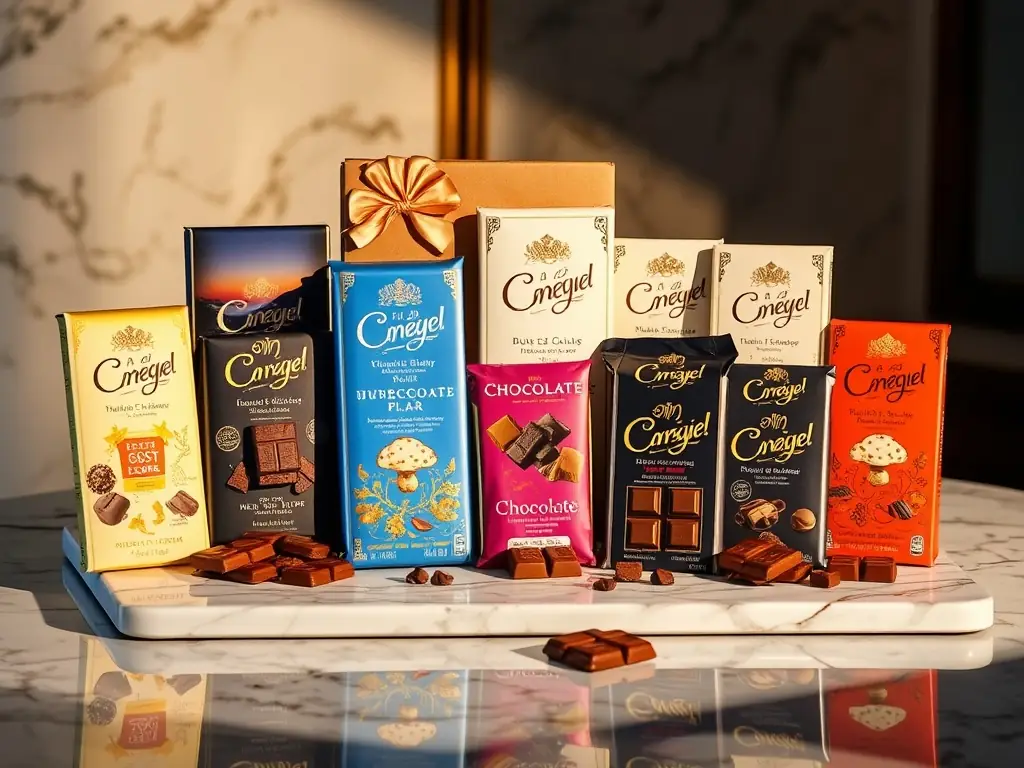
The popularity of mushroom-based chocolate bars is driven by a fusion of gourmet confectionery and the increasing interest in adaptogenic and functional compounds. Consumers are moving away from traditional snacking toward functional foods that offer sensory or wellness-oriented experiences. Whether designed for relaxation, cognitive support, or altered perception, these products often utilize high-quality cocoa bases to deliver their ingredients effectively.
Brands like those featured on buyoneupmushroombar.us have leaned into this trend by offering a wide variety of formats. From traditional One Up magic mushroom chocolate bars to convenient gummies and even magic mushroom vapes, the diversification of the market reflects a broader consumer trend: the desire for multi-sensory indulgence and convenience in a single, well-packaged product.
A defining characteristic of premium One Up products is the focus on flavor quality. Because active mushroom extracts can have a distinct, often earthy bitterness, the formulation process involves balancing these profiles with high-quality chocolate. You can explore the diverse mushroom flavors and the premium selection to see how modern brands layer texture and taste, often incorporating elements like sea salt, caramel, or hazelnut to mask botanical notes and enhance the consumer experience. For those looking for gifts or specialized sets, the gift sets provide a curated look at the brand’s offerings.
The “mushroom edible” category is a complex and evolving market. Consumers are increasingly searching for information on how these products work and what to expect. Common consumer questions often center on the difference between adaptogenic mushrooms—like Lion’s Mane or Reishi—and psychoactive compounds.
It is crucial for consumers to recognize that the regulatory status of these substances varies significantly by country. In many of the regions mentioned, such as the UK, Germany, and France, psilocybin-containing mushrooms are strictly controlled. Consumers must be aware of their local laws regarding “magic” or psychoactive mushroom products. When seeking reliable edible product information, consumers should always prioritize transparency, third-party lab testing, and clear ingredient labeling.
For those interested in the science and safety of these substances, it is essential to utilize reliable, evidence-based sources. You can broaden your research by consulting global scientific perspectives on Wikipedia’s page on peptides and mushroom compounds, or by reviewing policy analysis at WorldScientificImpact.org. Organizations like IBOGAWELL.COM also provide context on traditional and modern uses of ethnobotanical materials.
If you are a consumer in the UK or a global enthusiast exploring this category, reputable informational portals like UKMUSHROOM.COM and UKMUSHROOM.UK offer further insights into the functional mushroom industry. Whether you are curious about Washington edibles or Pennsylvania edibles or simply looking for a comprehensive edible guide, always remember that responsible consumption begins with education—understanding the source, the ingredients, and the legal implications of the products you choose to engage with is the best way to prioritize your health and well-being.
The wellness and alternative lifestyle markets have experienced a profound shift toward novel botanical formulations,
In recent years, modern wellness enthusiasts, holistic practitioners, and clinical researchers have turned their attention
The global paradigm surrounding mental health, cognitive enhancement, and alternative botanical formulations is undergoing a