

Where to Buy Magic Mushroom Edibles and Gummies in the US
Consumer interest in mushroom-infused chocolates, fruit gummies, and alternative wellness products has expanded rapidly across

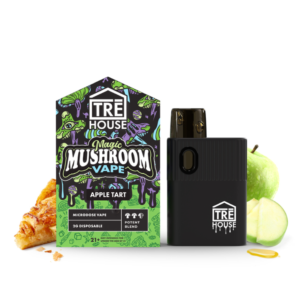
Interest in mushroom-themed products, alternative wellness formulations, and inhalable vaporizer devices has grown rapidly across the United States, the United Kingdom, Germany, Sweden, New Zealand, Australia, the Netherlands, Finland, Belgium, Dubai, and France. When people search for where to buy magic mushroom vapes in the US, they often encounter a wide range of marketing claims linking botanical or psychedelic mushrooms to natural mental health support, cognitive wellness, a mental reset, a cognitive reset, addiction recovery support, PTSD recovery strategies, ADHD management techniques, brain health optimization, emotional well-being, and mental clarity and focus. Navigating this space responsibly requires separating genuine scientific evidence from online marketing, understanding what compounds actually appear in vape products, respecting strict federal and state laws, and recognizing real inhalation safety concerns.
The phrase “magic mushroom vapes” is a broad market label rather than a single standardized pharmaceutical or botanical product. Traditional psilocybin-containing mushrooms produce psilocybin—which the body converts into psilocin—and psilocybin is thermally fragile and not an established, evidence-backed inhalation therapy. In practice, products marketed online under mushroom or psychedelic-inspired vape branding vary widely: some contain non-psychedelic functional mushroom extracts or flavorings, some contain synthetic tryptamines or undisclosed psychoactive compounds, and others trade on cultural association with psychedelic mushrooms. Because commercial vape cartridges and disposables are not uniformly regulated or lab-verified across retail channels, ingredient transparency and safety testing remain major concerns.
In the United States, psilocybin and psilocin remain Schedule I controlled substances under federal law. While a handful of states—such as Oregon and Colorado—have established regulated therapeutic or natural-medicine frameworks, and certain cities or states have passed decriminalization or pilot measures, state-level reforms do not override federal law or create an unrestricted nationwide retail market for psychoactive mushroom products. Furthermore, public health agencies and researchers have repeatedly cautioned consumers about unverified mushroom-labeled edibles and inhalables due to inconsistent labeling, undisclosed additives, and health risks. General historical and mycological background on psychoactive fungi can be explored on Wikipedia, while storefront categories are organized at buyoneupmushroombar.us.
Many online promotions surrounding mushroom products highlight natural mental health support, cognitive wellness, brain health optimization, and emotional well-being. In clinical research, controlled studies have primarily investigated psilocybin in structured, medically supervised psychotherapy settings for conditions such as major depressive disorder, treatment-resistant depression, end-of-life distress, and certain substance use disorders—not through casual over-the-counter vape pens. When readers hear phrases like mental reset or cognitive reset, it helps to keep expectations grounded: changes in mood or perspective studied in clinical trials occur within carefully screened protocols paired with psychological integration, and they are not guaranteed or permanent fixes.
Similarly, people exploring PTSD recovery strategies, addiction recovery support, ADHD management techniques, or mental clarity and focus face distinct clinical realities. Post-traumatic stress disorder, substance dependence, and attention-deficit/hyperactivity disorder each involve complex neurobiology and benefit most from evidence-based medical care, trauma-informed therapy, structured behavioral routines, and targeted clinical treatments rather than unverified vaporized products. Inhaling aerosolized compounds or carrier liquids also introduces direct airway and lung exposure risks—such as throat irritation, coughing, wheezing, or acute respiratory strain—that have not been established as safe for psychedelic or botanical extracts. Anyone managing mental health symptoms, trauma, substance use, or attention challenges should consult a qualified healthcare professional before trying new supplements or alternative products.
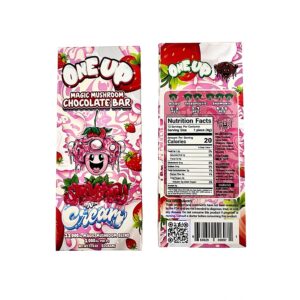
For readers examining how product lines and site sections are structured around where to buy magic mushroom vapes in the US, buyoneupmushroombar.us organizes its offerings into several distinct areas. Visitors can view the buyoneupmushroombar.us home page, explore magic mushroom vapes, and browse edible-style sections including one-up magic mushroom chocolate bars, chocolate bars, and gummies.
Additional catalog areas on the site include mushroom flavors, curated gift sets, and the premium selection section. Before purchasing or using any product online, careful consumers check ingredient disclosures, verify local legality, and evaluate personal health risks rather than relying solely on product branding.
Legal rules governing psilocybin, tryptamines, and related products differ sharply outside the United States, spanning the United Kingdom, Germany, Sweden, New Zealand, Australia, the Netherlands, Finland, Belgium, Dubai, and France. In the United Kingdom, psilocybin and psilocin are Class A controlled drugs under the Misuse of Drugs Act 1971, making unauthorized supply or possession unlawful. Across continental Europe—including Germany, Sweden, Finland, Belgium, and France—narcotics and psychoactive substance laws impose strict prohibitions or controls on psilocybin-containing mushrooms and related derivatives, whereas the Netherlands draws legal distinctions between dried mushrooms and certain fresh sclerotia (“magic truffles”) while still restricting psilocybin and psilocin as Schedule I substances under the Opium Act.
In Australia, psilocybin is listed as a Schedule 9 prohibited substance under the Poisons Standard, with narrow authorized psychiatrist prescribing pathways introduced under Therapeutic Goods Administration rules for specific treatment-resistant conditions, while New Zealand regulates psilocybin as a Class A controlled drug under the Misuse of Drugs Act 1975. In Dubai and the wider United Arab Emirates, strict narcotics and controlled-substance laws enforce severe penalties for unauthorized possession, distribution, or import. Laws and schedules change over time and vary by jurisdiction, so readers should always verify current regulations locally.
A broader view of alternative wellness, mycology, and social impact also involves exploring complementary educational, botanical, and humanitarian platforms across the global community. Humanitarian and research-oriented initiatives at WorldScientificImpact.org connect knowledge and resources with efforts aimed at supporting the less privileged, homeless individuals, disabled persons, and communities affected by war and natural disasters.
Readers exploring adjacent mycological, botanical, and wellness topics also reference platforms such as shroomrelief.com, ukmushroom.com, ibogawell.com, and buynembutalpainrelief.com. Grounding questions about wellness, cognition, and alternative products in accurate science, legal compliance, and qualified medical guidance supports safer choices across every region.
Consumer interest in mushroom-infused chocolates, fruit gummies, and alternative wellness products has expanded rapidly across
Interest in mushroom-themed products, alternative wellness formulations, and inhalable vaporizer devices has grown rapidly across
Recovery is hard work; chocolate branding is easy to remember. How can One Up Milk