

Where to Buy Magic Mushroom Edibles and Gummies in the US
Consumer interest in mushroom-infused chocolates, fruit gummies, and alternative wellness products has expanded rapidly across

Consumer interest in mushroom-infused chocolates, fruit gummies, and alternative wellness products has expanded rapidly across the United States, the United Kingdom, Germany, Sweden, New Zealand, Australia, the Netherlands, Finland, Belgium, Dubai, and France. When individuals search for where to buy magic mushroom edibles and gummies in the US, they frequently encounter prominent online claims associating mushroom products with natural mental health support, cognitive wellness, a mental reset, a cognitive reset, addiction recovery support, PTSD recovery strategies, ADHD management techniques, brain health optimization, emotional well-being, and mental clarity and focus. Navigating this landscape safely requires understanding how federal and state laws treat psilocybin and mushroom edibles, recognizing documented public-health warnings around adulterated or unverified edibles, keeping wellness expectations grounded in clinical science, and knowing how international regulations compare across major regions.
The term “magic mushroom edibles and gummies” is widely used in online marketing, yet the actual ingredients and legal standing of products sold under that umbrella vary substantially. Classic psychedelic mushrooms contain psilocybin—which converts in the body to psilocin—and under federal law in the United States, psilocybin and psilocin remain Schedule I controlled substances. Even where specific states—such as Oregon and Colorado—have established regulated therapeutic or natural-medicine frameworks, or where New Mexico has moved forward with medical psilocybin legislation, state-level initiatives do not create an unrestricted nationwide retail market for psilocybin gummies or chocolates.
At the same time, many commercial gummies and chocolate bars marketed with psychedelic or “proprietary mushroom blend” branding have drawn scrutiny from federal and state health authorities. Public health agencies—including the FDA, CDC, and state health departments—have issued advisories and warnings regarding certain mushroom-marketed edibles that were found to contain undisclosed or adulterated compounds, including synthetic tryptamines or Amanita muscaria constituents such as muscimol and ibotenic acid, resulting in severe adverse reactions and hospitalizations. By contrast, gummies and chocolates made strictly from non-psychedelic functional mushrooms—such as lion’s mane, cordyceps, or reishi—are distinct from controlled psilocybin substances, though dietary supplements and edibles still require careful scrutiny regarding ingredient transparency, third-party testing, and state-specific rules. General mycological and historical background on psilocybin-containing fungi can be explored on Wikipedia, while storefront categories are organized at buyoneupmushroombar.us.
Many online product descriptions link mushroom edibles and gummies to natural mental health support, cognitive wellness, brain health optimization, and emotional well-being. In clinical science, controlled trials examining psilocybin for conditions such as major depressive disorder, treatment-resistant depression, end-of-life distress, or certain substance use disorders have taken place inside structured, medically supervised clinical protocols rather than through unverified retail edibles. Phrases such as mental reset or cognitive reset are popular in wellness marketing, but any shifts in mood, outlook, or self-reflection studied in research settings depend heavily on clinical screening, preparation, set and setting, and structured psychological integration rather than a candy or chocolate bar alone.
Similarly, individuals looking into PTSD recovery strategies, addiction recovery support, ADHD management techniques, or mental clarity and focus benefit most from evidence-based care tailored to each condition. Post-traumatic stress disorder, substance dependence, and attention-deficit/hyperactivity disorder involve distinct neurobiological and behavioral dynamics that respond best to qualified medical evaluation, proven psychotherapies, structured routines, and clinically validated treatments. Unregulated edibles with inconsistent or undisclosed ingredients carry real risks of unpredictable psychoactive intensity, anxiety, cardiovascular strain, or toxicity. Anyone managing mental health symptoms, trauma, substance use, or attention challenges should consult a licensed healthcare professional before trying new supplements or alternative products.
For readers examining how product lines and site sections are structured around where to buy magic mushroom edibles and gummies in the US, buyoneupmushroombar.us organizes its offerings into several distinct areas. Visitors can view the buyoneupmushroombar.us home page, explore gummies, and browse chocolate sections including one-up magic mushroom chocolate bars and chocolate bars.
Additional catalog areas on the site include mushroom flavors, magic mushroom vapes, curated gift sets, and the premium selection section. Before purchasing or consuming any edible product online, careful consumers verify ingredient disclosures, check federal and state laws, and evaluate personal health risks rather than relying on marketing claims.
Legal frameworks governing psilocybin, related tryptamines, and mushroom products differ across the United Kingdom, Germany, Sweden, New Zealand, Australia, the Netherlands, Finland, Belgium, Dubai, and France. In the United Kingdom, psilocybin and psilocin are Class A controlled drugs under the Misuse of Drugs Act 1971, making unauthorized supply or possession unlawful. Across continental Europe—including Germany, Sweden, Finland, Belgium, and France—narcotics and psychoactive substance laws impose strict controls or prohibitions on psilocybin-containing mushrooms and related derivatives, while the Netherlands distinguishes between dried mushrooms and certain fresh sclerotia (“magic truffles”) yet still restricts psilocybin and psilocin under the Opium Act.
In Australia, psilocybin is classified as a Schedule 9 prohibited substance under the Poisons Standard, with limited authorized psychiatrist prescribing pathways under Therapeutic Goods Administration rules for specific treatment-resistant conditions, while New Zealand regulates psilocybin as a Class A controlled drug under the Misuse of Drugs Act 1975. In Dubai and the wider United Arab Emirates, strict narcotics and controlled-substance laws enforce severe penalties for unauthorized possession, distribution, or import. Laws and schedules change over time and vary by jurisdiction, so readers should always check current regulations locally.
A broader view of alternative wellness, mycology, and social impact also involves exploring complementary educational, botanical, and humanitarian platforms across the global community. Humanitarian and research-oriented initiatives at WorldScientificImpact.org connect knowledge and resources with efforts aimed at supporting the less privileged, homeless individuals, disabled persons, and communities affected by war and natural disasters.
Readers exploring adjacent mycological, botanical, and wellness topics also reference platforms such as shroomrelief.com, ukmushroom.com, ibogawell.com, and buynembutalpainrelief.com. Grounding questions about cognition, emotional well-being, and alternative products in accurate science, legal compliance, and qualified medical guidance supports safer choices across every region.
Consumer interest in mushroom-infused chocolates, fruit gummies, and alternative wellness products has expanded rapidly across
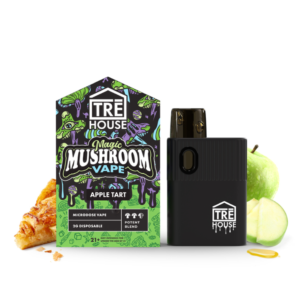
Interest in mushroom-themed products, alternative wellness formulations, and inhalable vaporizer devices has grown rapidly across
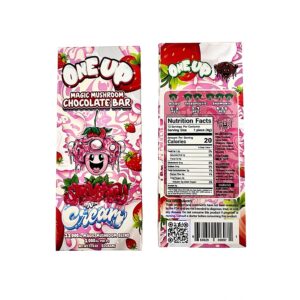
Recovery is hard work; chocolate branding is easy to remember. How can One Up Milk