

What is Actually Inside a “Mushroom Vape”? Unpacking the Chemistry, Safety, and Global Landscape of Inhalable Fungi Extracts
The wellness and alternative lifestyle markets have experienced a profound shift toward novel botanical formulations,
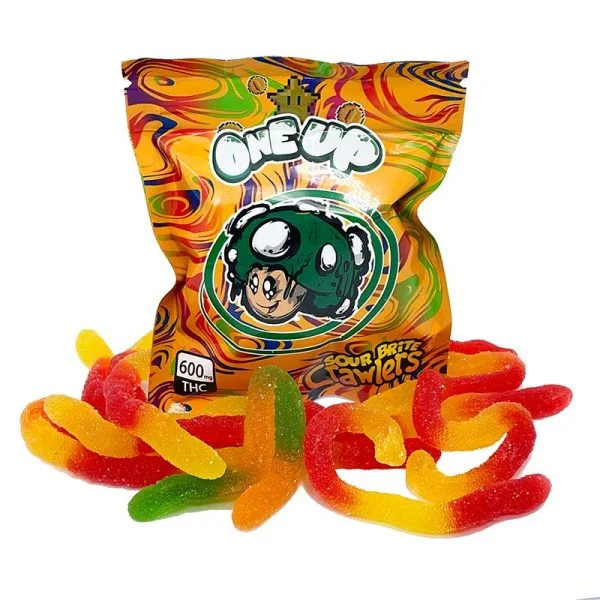
The culinary integration of fungi into consumer products has transitioned from a niche subculture into a major focal point of modern confectionery design. Across the United Kingdom, Germany, the Netherlands, and into North American markets like the United States and Canada, magic mushroom edibles are reshaping how individuals interact with functional and botanical ingredients.
By delivering precise formulations within familiar, dessert-like mediums, these products mask the naturally bitter, earthy undertones of mushrooms while offering uniform consistency. Understanding the science behind these formulations, their ingredient profiles, and the varieties available is essential for conscious consumption.
To understand how a mushroom edible operates, one must look at the interaction between the carrier medium and the active fungal components. In standard biological contexts, mushrooms contain cellular walls made of chitin—a tough structural polymer that the human digestive tract struggles to break down efficiently. This structural barrier often leads to gastrointestinal discomfort when raw fungi are consumed.
Edibles bypass this issue through sophisticated extraction and infusion processes. Producers isolate the key functional or active elements from the mushroom tissue and homogenize them into lipids (such as cocoa butter) or gelatin matrices.
According to molecular documentation available on WIKIPEDIA, processing raw organic materials into refined extracts drastically improves bioavailability, allowing the active compounds to be absorbed more smoothly by the metabolic system.
The modern marketplace features highly targeted formats tailored to distinct consumer preferences and lifestyle needs. A prime example of this structural organization can be observed by analyzing the diverse catalog structures of industry leaders.
Navigating the verified selections on buyoneupmushroombar.us highlights how specialized these product tracks have become for modern consumers:
The difference between an industrial-grade candy and a premium botanical edible comes down to ingredient sourcing and production transparency. When reviewing a product’s composition, high-tier manufacturers generally emphasize three primary pillars:
In chocolate-based edibles, the preservation of cocoa butter is vital. Premium chocolate must undergo a precise tempering process—heating and cooling the liquid chocolate to align the fat crystals. Proper tempering ensures that the mushroom particles remain completely suspended in a uniform distribution throughout the bar, preventing the active ingredients from settling into one concentrated corner.
For gummy variations, food-grade organic acids such as citric and malic acids are introduced. Beyond creating a pleasant tart flavor, these acids lower the pH of the confection, creating an environment that acts as a natural preservative to stop the degradation of the infused mushroom proteins over time.
Due to the booming popularity of these items in global hubs like Dubai, Australia, and Belgium, checking third-party laboratory verification has become standard practice. Reputable platforms publish transparent lab results indicating exact compound weights per serving to eliminate guesswork.
As botanical confectionery research expands, cross-referencing industry standards helps verify safety and legitimacy. Consumers looking to broaden their awareness of global botanical testing and manufacturing safety can access several dedicated platforms.
For large-scale industrial updates and peer-reviewed deep dives into scientific progress, WorldScientificImpact.org provides necessary educational support. Similarly, dedicated consumer resources like shroomrelief.com and ukmushroom.com offer foundational guides on responsible integration and safety guidelines across the United Kingdom and Europe.
Furthermore, historical data and therapeutic context surrounding deep-rooted traditional botanical extractions can be studied extensively through specialized portals like ibogawell.com.
Because mushroom edibles look and taste identical to standard confectionery items, maintaining strict organizational habits is paramount for home safety:
By approaching the mushroom edible market with an understanding of precise manufacturing standards and personal boundaries, consumers can navigate this expanding landscape with confidence, safety, and scientific clarity.
The wellness and alternative lifestyle markets have experienced a profound shift toward novel botanical formulations,
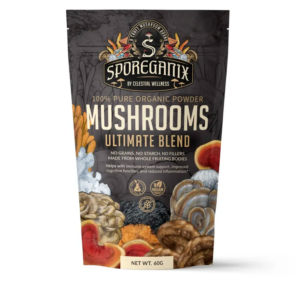
In recent years, modern wellness enthusiasts, holistic practitioners, and clinical researchers have turned their attention
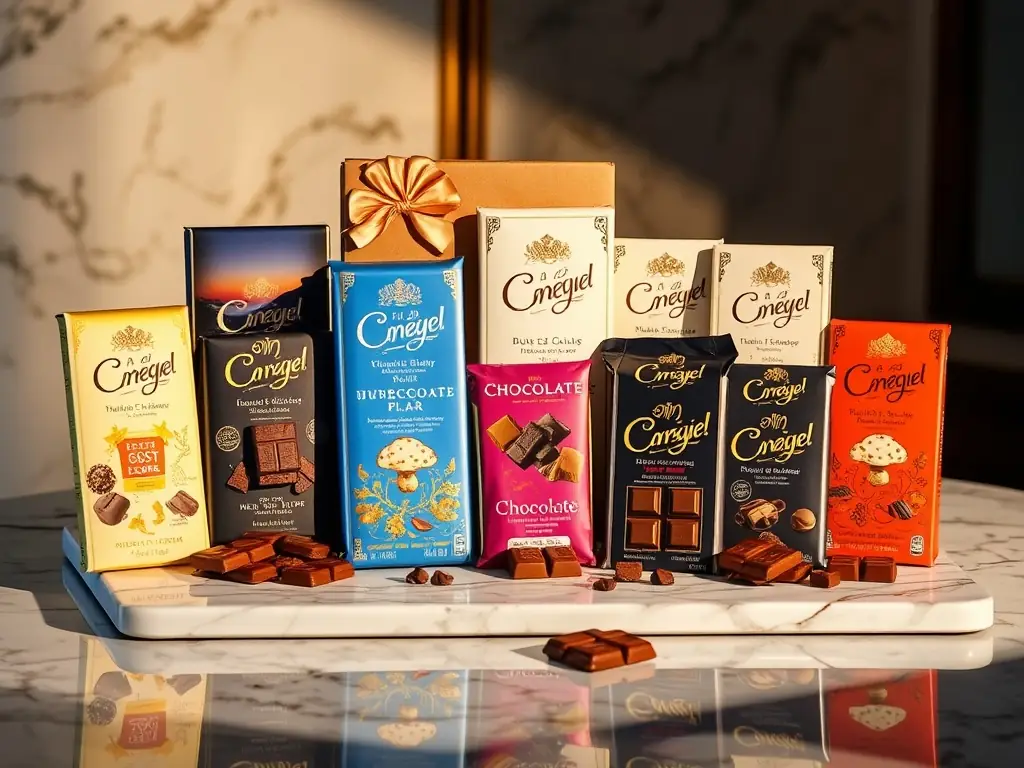
The global paradigm surrounding mental health, cognitive enhancement, and alternative botanical formulations is undergoing a