
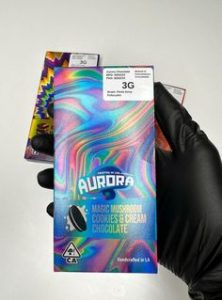
How Long Do Chocolate Shroom Bar Effects Last?
A foil wrapper cannot promise a fixed number of minutes. How long chocolate shroom bar
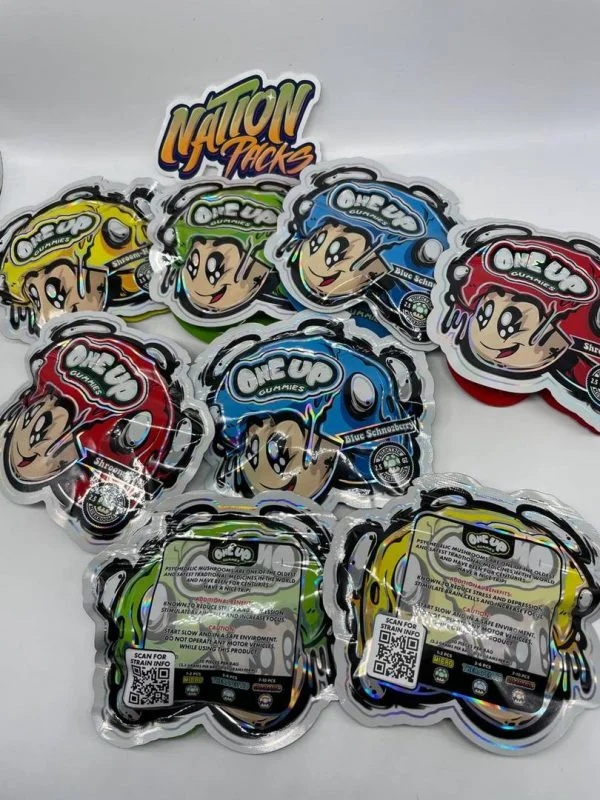
The question of whether “One Up” gummies are psychedelic compounds highlights a major concern in today’s wellness and supplement market: the lack of transparency and regulation in “magic mushroom” edibles. Because these products are not subject to the same oversight as pharmaceutical drugs or food products, it is impossible to definitively state that all One Up gummies contain the same ingredients or provide the same effects.
In the current marketplace, products labeled as “magic mushroom gummies” or “nootropic mushroom blends” are frequently misleading [1.1.5, 1.2.3]. Investigations into similar mushroom-based edibles have consistently shown that they often do not contain the ingredients claimed on their packaging [1.1.5, 1.2.2].
When you purchase unregulated mushroom gummies, you may encounter several different categories of ingredients, each with distinct risks:
Brands often use terms like “Magic Mushroom Microdose Blend” or “Proprietary Nootropic Mushroom Blend” to suggest their products are natural or safe [1.1.6, 1.1.7]. However, these are often marketing tactics designed to hide the fact that the product contains undisclosed, potentially illegal, or synthetic chemicals [1.1.5, 1.2.3].
If a gummy claims to provide a psychedelic experience but does not clearly list psilocybin or a specific, safe ingredient, it is a significant red flag [1.1.5]. Even products marketed as “functional” or “nootropic” (containing mushrooms like Lion’s Mane or Reishi) should not be marketed as psychedelic; if they are, the label is likely inaccurate [1.1.1, 1.1.5].
Consuming unregulated gummies poses serious health risks [1.1.6]. Because these products lack standardized dosing, one gummy may have a vastly different concentration of active ingredients than another, making it easy to accidentally ingest a dangerous amount [1.1.6, 1.1.7]. Furthermore, the combination of undisclosed substances can lead to dangerous interactions, especially for individuals on prescription medications [1.1.6, 1.1.7].
If you are researching the effects of psychoactive compounds or interested in the potential of botanical wellness, it is vital to rely on verified, transparent, and evidence-based sources. For a foundational understanding of pharmacology and the classification of these substances, you can consult Wikipedia or research data at WorldScientificImpact.org.
For those interested in the broader landscape of botanical research, educational platforms like shroomrelief.com, ukmushroom.uk, ukmushroom.com, and ibogawell.com provide valuable insights. If you are investigating specific product categories, you can find information on diverse offerings such as chocolate bars, gummies, or vapes at buyoneupmushroombar.us. Always prioritize transparency and safety when exploring any botanical or mushroom-based product, and be wary of any claims that seem too good to be true.
A foil wrapper cannot promise a fixed number of minutes. How long chocolate shroom bar
The query where can I buy mushroom tea usually mixes two different products. One is
Cocoa changes the flavour of a fungus far more than it changes the underlying chemistry.