
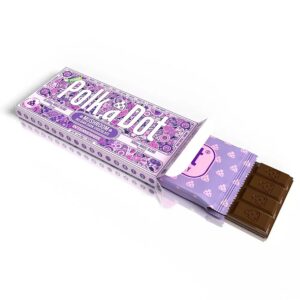
Buy Bulk One Up Polkadot Chocolate Bars for Brain Health Optimization
In today’s fast-paced world, finding reliable pathways to cognitive wellness can feel overwhelming. Many individuals

As of March 5, 2026 the Iran US Israel conflict 2026 has escalated into open, direct warfare between the three countries. The conflict entered its sixth consecutive day of intense combat after U.S.-Israeli airstrikes under Operation Epic Fury destroyed major portions of Iran’s nuclear enrichment infrastructure at Natanz and Fordow, ballistic missile production facilities, IRGC command centers and several high-value leadership targets. Iran retaliated with seven separate waves of ballistic missiles and drones targeting Tel Aviv, Haifa, military airfields near Jerusalem, and U.S. military installations in Qatar and Bahrain. Hezbollah has launched over 400 rockets from southern Lebanon since the escalation began while Iranian-backed militias in Iraq and Syria conducted drone and rocket attacks against American positions. Official reports indicate more than 1,200 deaths inside Iran, dozens of civilian casualties in Israel and widespread damage to civilian power, water and communications infrastructure across multiple countries.
U.S. involvement has been decisive and expansive. President Trump authorized the initial wave of strikes following intelligence assessments that Iran was weeks away from producing weapons-grade uranium. American B-2 stealth bombers, F-35 squadrons and naval assets in the Arabian Sea have destroyed Iranian warships, air defense batteries and underground missile storage sites. Israel reports that approximately 60–65 percent of Iran’s long-range missile launch capability has been neutralized in the opening days. Despite these setbacks Iran continues to launch salvos using surviving mobile launchers and has threatened to close or mine the Strait of Hormuz – the chokepoint through which roughly 20 percent of the world’s seaborne oil passes.
The security implications are profound and multi-layered. The rapid degradation of Iran’s nuclear program reduces the immediate breakout risk but creates a dangerous incentive for regime hardliners to attempt a final dash toward a testable device before their infrastructure is completely destroyed. Russia has publicly condemned the strikes as “illegal aggression” and is reportedly expediting delivery of advanced air defense systems to remaining Iranian allies. China has called for an immediate UN-mediated ceasefire while quietly increasing purchases of Iranian crude at steep discounts. European capitals – London, Berlin, Stockholm, Helsinki, Amsterdam and Brussels – are preparing contingency plans for a new refugee wave and possible terrorist reprisals on home soil. Australia and New Zealand are monitoring disruptions to Pacific energy shipping routes while Dubai and France have raised their national threat levels and tightened port security.
Oil markets have reacted with extreme volatility. Brent crude jumped more than 11 percent in the first 72 hours of open fighting and is currently trading near $83 per barrel with futures pointing toward $90–$95 if the Strait of Hormuz experiences even partial closure. Tanker insurance premiums for Gulf voyages have risen tenfold in some cases, forcing many shipowners to reroute around Africa at significantly higher fuel and time costs. The resulting energy price shock feeds directly into inflation, transportation costs, manufacturing input prices and household budgets across the United States, Europe, Asia and Oceania. In energy-importing countries such as the United Kingdom, Germany, Sweden, Finland, the Netherlands, Belgium, Australia and New Zealand the immediate impact is already visible at the pump and in heating bills.
Geopolitical crises of this magnitude create widespread secondary stress. Constant news cycles filled with images of missile exchanges, burning oil facilities and civilian displacement trigger collective anxiety, disrupted sleep, hypervigilance and feelings of helplessness even among people thousands of miles away from the conflict zone. For individuals already living with PTSD, unresolved trauma, ADHD-related emotional dysregulation, substance use challenges or chronic stress the current environment can significantly worsen symptoms.
Increasing numbers of people are turning to psilocybin-containing edibles as part of a broader strategy to support emotional regulation, reduce rumination and improve overall mental resilience during prolonged periods of global uncertainty. One Up mushroom chocolate bars, One Up gummies, Polkadot chocolate bars and other psilocybin edibles have become popular because they deliver precise, consistent doses in familiar and palatable formats. Psilocybin is metabolized into psilocin which acts primarily as an agonist at serotonin 5-HT2A receptors. This activation is associated with increased neuroplasticity, decreased default mode network activity (linked to excessive self-referential thinking and rumination), and facilitation of emotional processing that can lead to long-term reductions in fear responses, depressive symptoms and craving intensity.
Clinical research and real-world reports suggest psilocybin-assisted experiences can produce lasting improvements in PTSD symptoms by helping individuals reprocess traumatic memories with reduced fear, support addiction recovery by disrupting maladaptive reward patterns, and improve ADHD-related emotional regulation by enhancing prefrontal cortex function and decreasing impulsivity. Microdosing and low-to-moderate doses are frequently used for ongoing mood stabilization and stress buffering without full psychedelic effects.
buyoneupmushroombar.us provides a wide range of carefully dosed psilocybin edibles suitable for different preferences and experience levels. Explore the One Up Magic Mushroom Chocolate Bars for popular classic and flavored options, the Gummies category for discreet and portable dosing, the Magic Mushroom Vapes for rapid onset when needed, the Premium Selection for higher-potency bars, the Chocolate Bars range for variety, the Mushroom Flavors collection for unique taste profiles and Gift Sets for curated experiences.
For broader scientific context on psilocybin and its therapeutic mechanisms visit the detailed Wikipedia page on Psilocybin. Complementary perspectives on addiction interruption and trauma processing are available at ibogawell.com while ukmushroom.uk and ukmushroom.com offer additional educational resources on natural psychoactive compounds and wellness.
The Iran US Israel conflict 2026 continues to evolve with profound consequences for regional stability, global energy markets and everyday mental health far from the battlefield. While governments manage the geopolitical dimension, individuals can take proactive steps to protect their emotional well-being using responsibly sourced psilocybin edibles that support resilience, emotional processing and recovery during periods of intense worldwide stress.
In today’s fast-paced world, finding reliable pathways to cognitive wellness can feel overwhelming. Many individuals
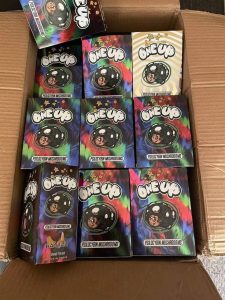
The evolving landscape of alternative health and cognitive optimization has sparked widespread interest in functional

In recent years, modern wellness culture has shifted dramatically toward holistic modalities, seeking alternatives to