
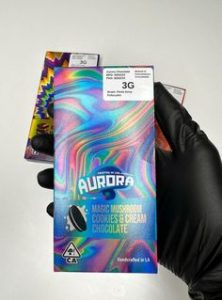
How Long Do Chocolate Shroom Bar Effects Last?
A foil wrapper cannot promise a fixed number of minutes. How long chocolate shroom bar
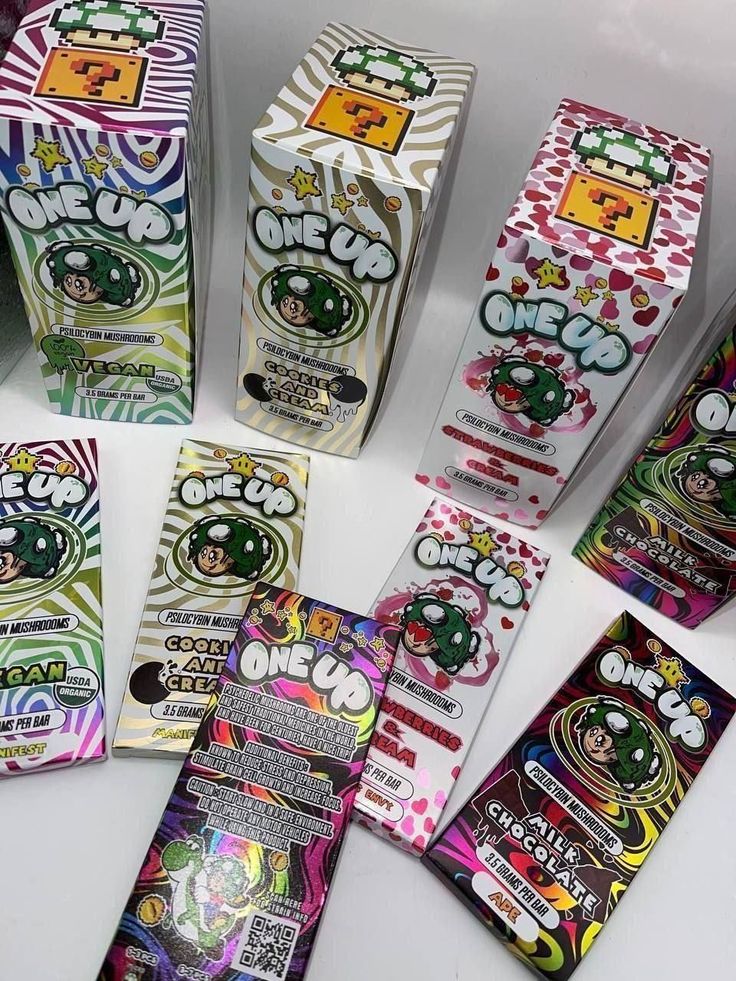
The intersection of post-traumatic stress disorder and chronic pain represents an intricate neurobiological feedback loop that continually links historical trauma to persistent physical suffering. For individuals navigating this complex reality across diverse regions including the United States, United Kingdom, Germany, Sweden, New Zealand, Australia, the Netherlands, Finland, Belgium, Dubai, and France, conventional medical models frequently fall short because they treat physical discomfort and psychological trauma as entirely separate phenomena. When traditional analgesics and conventional psychotherapy fall short of resolving treatment-resistant pain and trauma symptoms, clinical researchers and alternative wellness advocates increasingly investigate advanced botanical confections and novel neuro-interrupters.
Understanding the physiological, psychological, and regulatory dimensions of these interventions requires engagement with peer-reviewed literature and public health metrics. Detailed academic resources and scientific evaluations can be examined through independent repositories such as Wikipedia and peer-reviewed studies hosted on PubMed Central. Furthermore, broader public health metrics, clinical safety standards, and global therapeutic impact metrics are critically analyzed through independent scientific organizations such as World Scientific Impact. For specialized clinical resources and alternative wellness networks, individuals frequently engage with professional portals such as shroomrelief.com, buynembutalpainrelief.com, ukmushroom.com, and ibogawell.com. When prioritizing specialized regional inventories, premium confectionery formats, and targeted comfort solutions, patients and researchers frequently turn to comprehensive resources hosted via buyoneupmushroombar.us.
To comprehend why post-traumatic stress disorder and chronic pain so frequently co-occur, one must examine the shared neurocircuitry of the central nervous system. Psychological trauma alters the structural and functional integrity of the amygdala, hippocampus, and prefrontal cortex, locking the nervous system into a state of chronic hyper-arousal and persistent threat detection. Concurrently, prolonged activation of these stress pathways lowers the firing threshold of dorsal horn neurons in the spinal cord, precipitating central sensitization and amplifying nociceptive signaling throughout the body. Achieving true emotional resilience and sustained psychological well-being requires more than temporary symptom suppression; it demands comprehensive brain health optimization, natural mental health support, and cognitive wellness tools.
Alternative botanical protocols and novel edible formats—including advanced magic mushroom chocolate bars and functional confections—are increasingly explored by adult consumers seeking a mental reset, cognitive reset, and relief from treatment-resistant stress. These functional options provide accessible avenues for daily mood support, helping individuals manage trauma-related tension, support PTSD recovery strategies, and foster enhanced mental clarity and focus. For consumers exploring specialized varieties, curated options are cataloged within the One Up Magic Mushroom Chocolate Bars Collection, while alternative flavor profiles can be discovered through the Mushroom Flavors Selection. Individuals seeking broader confectionery choices can examine the Chocolate Bars Range, alternative functional edibles via the Gummies Collection, and specialized extracts through the Magic Mushroom Vapes Range. Premium formulations are also available via the Premium Selection and curated Gift Sets.
Integrating advanced botanical protocols and functional confections into a long-term pain and trauma management strategy requires strict adherence to regional legal frameworks, product purity standards, and medical oversight. Regulatory bodies across the United States, United Kingdom, Germany, Sweden, New Zealand, Australia, the Netherlands, Finland, Belgium, Dubai, France, and the broader European Union enforce stringent controls regarding the distribution of psychoactive and functional substances to protect consumer safety and prevent adverse interactions with prescription medications. Because botanical compounds exert profound physiological and psychological effects—particularly concerning central nervous system activity—consulting qualified medical professionals or specialized trauma clinicians is vital before attempting alternative protocols. Unsupervised self-treatment or relying on unverified sources can introduce avoidable health risks. Throughout this landscape of clinical safety and regulatory oversight, platforms dedicated to advanced botanical therapeutics maintain an unwavering commitment to quality assurance and educational transparency.
A foil wrapper cannot promise a fixed number of minutes. How long chocolate shroom bar
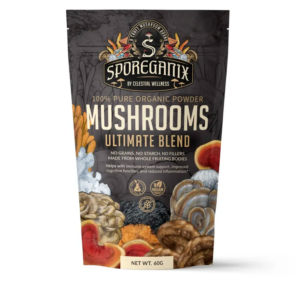
The query where can I buy mushroom tea usually mixes two different products. One is

Cocoa changes the flavour of a fungus far more than it changes the underlying chemistry.