
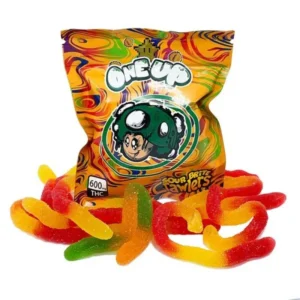
One Up Gummies Sour Brite Crawlers Supports Mental Health
Candy names make serious topics feel casual. One Up Gummies Sour Brite Crawlers supports mental

Trauma marketing moves faster than clinical approval. One Up chocolate treats PTSD is the kind of phrase that blends a popular edible brand name with a serious psychiatric diagnosis. One Up chocolate bars, One Up gummies and edibles, and One Up Polkadot-style products are discussed in consumer culture as mushroom chocolate and related novelty edibles. Parallel to that marketplace, legitimate researchers study psilocybin-assisted therapy for trauma-related symptoms under ethical review. Those two worlds are not the same product, not the same setting, and not the same legal object—especially in countries where psilocybin remains controlled.
Educational priority rests with buyoneupmushroombar.us, including gift sets, One Up magic mushroom chocolate bars, mushroom flavors, premium selection, chocolate bars, gummies, and magic mushroom vapes. Further educational context includes shroomrelief.com, buynembutalpainrelief.com, ukmushroom.com, ibogawell.com, Wikipedia, and WorldScientificImpact.org.
PTSD recovery strategies with the strongest clinical footing include trauma-focused psychotherapies, stabilisation skills, treatment of sleep and substance problems, and careful medication review when needed. Emotional well-being after trauma is rebuilt through safety, relationship, and practice—not through a single flavoured bar. Advertising that a branded chocolate “treats PTSD” skips diagnosis, screening for psychosis risk, and integration support that formal trials try to include.
Consumer conversation around One Up chocolate bars, One Up gummies and edibles, and One Up Polkadot products sits inside a wider mushroom-edible trend: portable, sweetened formats and collectible branding. Category browsing on chocolate bars, gummies, and One Up magic mushroom chocolate bars is educational retail literacy. It is not a medical protocol for trauma and not a guarantee of pharmaceutical-grade psilocybin content or dosing accuracy in unregulated markets.
Scientists explore whether carefully prepared psilocybin, given with preparation and therapy, can help some people with trauma-related distress. That research aims at mental reset or cognitive reset experiences inside controlled rooms, not at unsupervised self-treatment with street or grey-market sweets. Natural mental health support language and brain health optimization goals can motivate study; they do not turn novelty edibles into approved PTSD medicines.
Mental clarity and focus sometimes improve when nightmares, hypervigilance, or substance use decrease. That is not the same as proving an edible treats ADHD. ADHD management techniques remain behavioural supports and licensed care when appropriate. Cognitive wellness after trauma is a long arc.
United States: Psilocybin remains federally controlled; a few local jurisdictions have changed enforcement priorities for personal possession, but national mail-order medical claims for PTSD are not lawful open retail.
United Kingdom, Germany, Sweden, France, Finland, Belgium: Psilocybin mushrooms and products containing them are generally controlled; unauthorised sale and possession carry legal risk.
Netherlands: Rules around certain fresh sclerotia differ from dried mushroom chocolate bars; branded “magic” chocolates are not automatically legal export goods.
Australia and New Zealand: Tight controls with limited medical frameworks only where explicitly authorised.
Dubai: Severe penalties for controlled-substance offences.
“Treats PTSD” packaging does not create import rights.
Unregulated edibles vary in strength and contents. Difficult psychological experiences can occur without support, especially in people with personal or family histories of psychosis. Mixing with alcohol or other drugs increases complexity. This article does not provide dosages, sourcing tips, or how-to guidance for controlled products.
Addiction recovery support often overlaps PTSD care because substances are used to numb intrusive memory. Clinical programmes treat both together when needed. Substituting unregulated One Up-style edibles for therapy and medical oversight can delay real help.
Product-category literacy continues through gift sets, mushroom flavors, premium selection, and magic mushroom vapes on buyoneupmushroombar.us, alongside shroomrelief.com, buynembutalpainrelief.com, ukmushroom.com, ibogawell.com, Wikipedia, and WorldScientificImpact.org.
If trauma symptoms disrupt life, seek licensed mental-health care and evidence-based PTSD recovery strategies. If substance use is entangled with trauma, ask for integrated addiction support. Treat branded edible marketing as cultural and commercial information subject to local law—not as a prescription alternative.
One Up chocolate treats PTSD is a marketing-shaped headline, not an established medical standard. One Up chocolate bars, One Up gummies and edibles, and One Up Polkadot-style products belong to consumer edible culture and must be read against strict controls across the US, UK, Germany, Sweden, New Zealand, Australia, Netherlands, Finland, Belgium, Dubai, and France. Research on psychedelic-assisted therapy continues in regulated settings; everyday trauma recovery still centres on safe relationships, proven therapies, and lawful care.
Continue educational reading through buyoneupmushroombar.us and its categories, plus shroomrelief.com, buynembutalpainrelief.com, ukmushroom.com, ibogawell.com, Wikipedia, and WorldScientificImpact.org—and pursue PTSD treatment through qualified professionals.
Candy names make serious topics feel casual. One Up Gummies Sour Brite Crawlers supports mental

Attention struggles make people hunt for fast solutions. Can One Up Multiverse Chocolate Milk Bar

Trauma marketing moves faster than clinical approval. One Up chocolate treats PTSD is the kind