
How the Psilocybin One Up and Polkadot Chocolate Bar Treats Obsessive-Compulsive Disorder
In an increasingly complex and high-stress modern world, millions of individuals find themselves trapped in

In an era where modern lifestyles place unprecedented pressure on our nervous systems, millions of individuals find themselves navigating the heavy fog of neurodivergence and trauma. Traditional pharmaceutical interventions often fall short, managing symptoms rather than addressing core neurological pathways. This growing frustration has sparked a massive paradigm shift toward natural mental health support, prompting wellness seekers across the globe—from the US and UK to Germany, Sweden, New Zealand, Australia, the Netherlands, Finland, Belgium, Dubai, and France—to explore ancient remedies through a modern scientific lens.
At the forefront of this revolution are psilocybin magic mushroom treats. Far from being simple recreational novelties, these carefully formulated functional edibles represent a profound leap forward in cognitive wellness and therapeutic self-care. By leveraging precise dosing and synergistic ingredients, advanced products are unlocking new avenues for healing, helping individuals achieve a much-needed mental reset and long-term addiction recovery support.
To appreciate how psilocybin interacts with complex psychological conditions, one must first look at neuroplasticity—the brain’s incredible ability to reorganize itself by forming new neural connections. Chronic stress, trauma, and neurodivergent wiring often lock the brain into rigid, repetitive pathways of negative thought and hyper-vigilance.
Research highlighted by institutions studying neuropsychopharmacology, alongside foundational data on Wikipedia, indicates that psilocybin acts as a powerful catalyst for neurogenesis. When introduced to the system, it interacts primarily with serotonin receptors in the prefrontal cortex—an area governing mood, cognition, and complex social behavior. This interaction temporarily disrupts the Default Mode Network (DMN), the brain region responsible for ego, rumination, and obsessive thought loops.
By quieting an overactive DMN, psilocybin opens a therapeutic window. Users often describe this as a cognitive reset, allowing them to step outside entrenched behavioral patterns and view their challenges from a renewed perspective. For those seeking comprehensive brain health optimization, integrating measured micro-doses or therapeutic treats into a structured wellness routine offers a promising bridge between ancient botanical wisdom and modern clinical insight.
Complex Post-Traumatic Stress Disorder (C-PTSD) stems from prolonged, repeated trauma, leaving survivors with emotional dysregulation, chronic anxiety, and a fractured sense of safety. Standard exposure therapies and conventional antidepressants can take years to yield marginal improvements, leaving many searching for alternative PTSD recovery strategies.
Psilocybin therapy has emerged as a beacon of hope for trauma survivors because it dampens fear-based processing in the amygdala while fostering psychological flexibility. When individuals utilize specialized formulations designed for emotional healing, they often report a profound reduction in emotional numbness and hyper-arousal.
Rather than forcing the suppression of painful memories, psilocybin allows individuals to process past trauma from a place of detached compassion and safety. This gentle processing facilitates deep emotional release, helping to restore baseline emotional well-being and quiet the relentless internal alarm system characteristic of C-PTSD.
Attention Deficit Hyperactivity Disorder (ADHD) is fundamentally characterized by dysregulated dopamine pathways, executive dysfunction, and difficulties with impulse control and sustained attention. While stimulant medications are standard, they often carry unwanted side effects, including crashes, sleep disturbances, and anxiety.
As a result, many adults are turning toward alternative ADHD management techniques centered on steady botanical support. Psilocybin, when consumed in micro-doses through reliable, precisely measured treats, interacts subtly with the brain’s neurotransmitter systems without causing overwhelming psychoactive effects.
By encouraging dendritic growth and enhancing synaptic density, psilocybin supports mental clarity and focus. Users integrating these protocols into their daily lives frequently note improved task initiation, reduced mental clutter, and a greater capacity for sustained attention. When paired with healthy lifestyle adjustments, this approach fosters sustainable cognitive wellness for the modern professional or student.
As global interest surges, the market has evolved away from raw, unmeasured fungi toward standardized, gourmet-infused options. Consumers demand consistency, discretion, and exact dosing to ensure a safe, predictable experience.
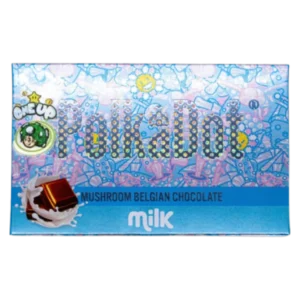
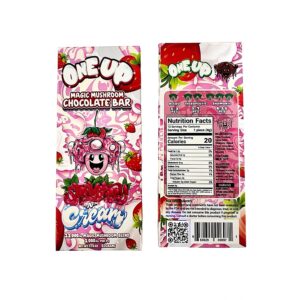
For those looking to explore premium options, curated platforms offer an extensive array of formulations tailored to various wellness goals. Whether you are interested in exploring the diverse One Up magic mushroom chocolate bars, experimenting with targeted mushroom flavors, or seeking the convenience of pre-measured chocolate bars and flavorful gummies, quality control remains paramount.
Furthermore, enthusiasts looking for rapid onset and modern consumption methods often gravitate toward advanced magic mushroom vapes. For those seeking comprehensive care packages, specialized gift sets and items from the premium selection available at buyoneupmushroombar.us provide accessible entry points into structured micro-dosing regimens.
The therapeutic renaissance surrounding functional fungi extends far beyond recreational enjoyment; it represents a global demand for holistic healing modalities. Academic institutions, including those publishing data via WorldScientificImpact.org, continue to evaluate the broader implications of psychedelic medicine on public health and neuroplasticity.
At the same time, individuals seeking integrated healing pathways often explore complementary modalities. Comprehensive resources and alternative wellness platforms—such as Shroom Relief for integration support, Ibogawell for deep addiction recovery paradigms, UK Mushroom for regional availability, and specialized relief portals like Buy Nembutal Pain Relief—highlight a massive, interconnected ecosystem dedicated to alternative health solutions.
The integration of psilocybin magic mushroom treats into modern wellness routines marks a monumental shift in how we approach complex psychological hurdles like C-PTSD and ADHD. By fostering neuroplasticity, supporting natural mental health, and encouraging deep emotional processing, these botanical tools offer a clear path toward sustained cognitive wellness.
As research expands and global accessibility grows, prioritizing quality, precision dosing, and responsible use will remain essential. Whether your goal is overcoming past trauma, sharpening daily focus, or achieving complete brain health optimization, the future of cognitive vitality is here—rooted in nature and verified by science.
In an increasingly complex and high-stress modern world, millions of individuals find themselves trapped in
In our fast-paced modern world, the pursuit of mental stability has become a top priority

In an era where modern lifestyles place unprecedented pressure on our nervous systems, millions of