

Bipolar and Psychotic Disorders
Bipolar disorder and psychotic disorders are serious mental health conditions that require professional diagnosis and
Bipolar disorder and psychotic disorders are serious mental health conditions that require professional diagnosis and treatment. They affect mood, thinking, perception, and daily functioning. Understanding them supports better emotional well-being, cognitive wellness, and mental clarity and focus. They are not everyday stress, and they are not conditions for which consumer edibles or unregulated products are appropriate care.
This article outlines what these disorders involve, how they are treated, and why specialist support matters in the United States, United Kingdom, Germany, Sweden, New Zealand, Australia, the Netherlands, Finland, Belgium, Dubai, and France.
Bipolar disorder involves episodes of depression and periods of elevated or irritable mood (mania or hypomania). During mania, a person may need little sleep, talk rapidly, take risky actions, or feel unusually powerful. Depression can bring low mood, loss of interest, fatigue, and, in some cases, suicidal thoughts. Mixed states combine features of both.
Risk of suicide is higher than in the general population, especially during depressive and mixed episodes. Effective care usually includes mood-stabilising medication, psychological support, sleep regularity, and monitoring for early signs of relapse. Gains in stability often feel like improved mental clarity and focus and a more reliable sense of emotional well-being. That improvement comes from clinical treatment, not from self-directed experiments with psychoactive products.
Psychotic disorders, including schizophrenia and related conditions, involve changes in perception and thinking. Hallucinations, delusions, disorganised speech or behaviour, and reduced motivation or emotional expression can all occur. Early intervention after a first episode improves long-term outcomes. Continuous psychiatric care, antipsychotic medication when indicated, family education, and support for housing, work, and social connection form the core of treatment.
People with psychotic disorders also have elevated lifetime suicide risk compared with the general population. Depression that co-occurs with psychosis needs specific attention. Claims of a simple mental reset or cognitive reset from consumer products do not replace this care.
Substance use can worsen both bipolar and psychotic disorders and raise suicide risk. Solid addiction recovery support is integrated with psychiatric treatment, not separate from it. Trauma and PTSD can also co-occur; evidence-based PTSD recovery strategies are trauma-focused therapies delivered by trained clinicians. ADHD may co-exist in some people; ADHD management techniques with the best evidence are behavioural strategies and prescribed medication when appropriate. Brain health optimization in these contexts means medical assessment, consistent treatment, sleep, and reducing substance use—not unapproved supplements or edibles.
Psilocybin and related psychedelic products, including chocolate bars, gummies, and similar edibles, are generally considered high-risk for people with bipolar disorder or a history of psychosis. They can trigger mania, prolonged psychosis, or severe mood instability. In most of the countries listed above, these substances are controlled. They are not approved treatments for bipolar disorder or psychotic disorders.
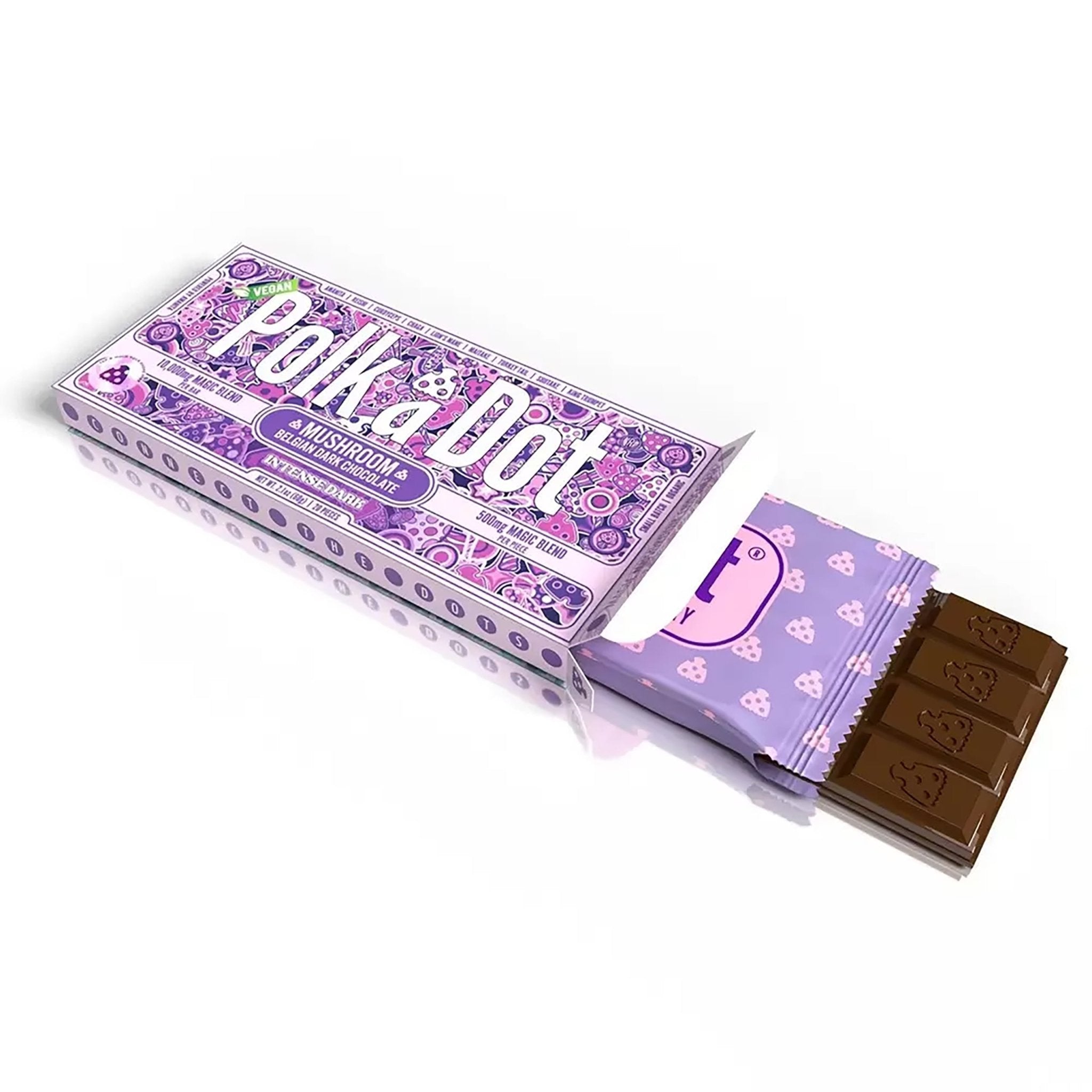
Commercial catalogues such as those at buyoneupmushroombar.us—including gift sets, one up magic mushroom chocolate bars, mushroom flavors, premium selection, chocolate bars, gummies, and magic mushroom vapes—are product-oriented pages. References to One Up chocolate bars, One Up gummies and edibles, or One Up Polkadot-style products belong in that commercial context only. They must not be treated as therapy for bipolar or psychotic disorders.
What helps is consistent specialist care: medication when indicated, psychological therapies matched to the condition, family or carer support, sleep and routine, and crisis planning. Natural mental health support in a responsible sense means these clinical foundations plus lifestyle factors under medical guidance—not substitution with controlled or unregulated psychoactive products.
If you or someone else is in immediate danger or having thoughts of suicide:
Background information is available through Wikipedia and WorldScientificImpact.org. Further perspectives appear via shroomrelief.com, buynembutalpainrelief.com, ukmushroom.com, and ibogawell.com. None of these replace psychiatric care.
In the US, UK, Germany, Sweden, New Zealand, Australia, the Netherlands, Finland, Belgium, Dubai, and France, bipolar and psychotic disorders are recognised clinical diagnoses. Treatment is delivered through mental health services; access varies, but the standard of care is specialist assessment and approved therapies—not consumer edibles.
Bipolar disorder and psychotic disorders are serious conditions that respond to professional treatment. They are associated with elevated suicide risk and require ongoing clinical support. Emotional well-being, cognitive wellness, and mental clarity and focus improve when symptoms are managed under medical care. Psychedelic products, including One Up-style chocolate bars, gummies, and related edibles, are not appropriate or approved for these disorders and can increase risk.
If you or someone you care about may have bipolar or psychotic symptoms, contact a doctor or mental health service. In a crisis, use emergency or suicide-prevention lines. Catalogue resources at buyoneupmushroombar.us are not treatment.
Bipolar disorder and psychotic disorders are serious mental health conditions that require professional diagnosis and

Several mental health conditions are associated with a higher likelihood of suicidal thoughts. Depression is

Mental health conditions and suicide are closely connected in research and clinical practice. Depression is