
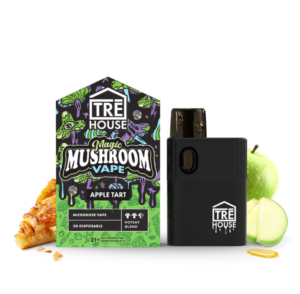
Apple Tart Microdose Magic Mushroom Vape Pen
The Apple Tart Microdose Magic Mushroom Vape Pen belongs to a growing class of flavoured
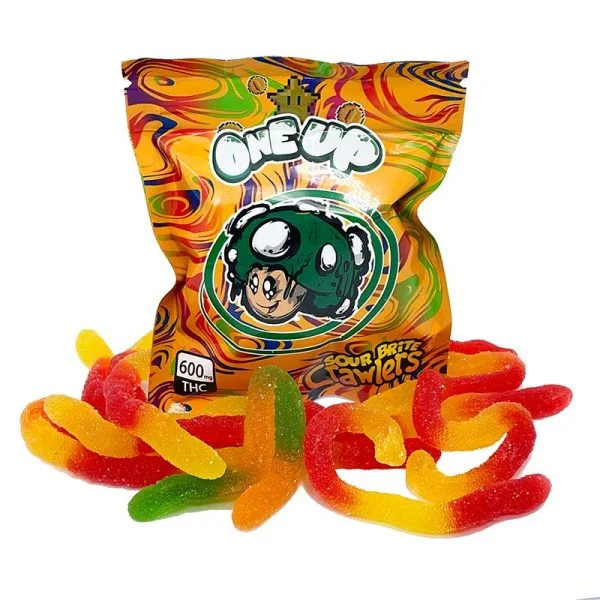
One Up Edibles is an umbrella label shoppers use for a family of branded products that includes One Up chocolate bars, One Up Gummies, One Up Polkadot-style items, and related confection formats. The range shows up in searches for natural mental health support, cognitive wellness, mental reset, and emotional well-being. Those associations reflect public interest in psilocybin science more than they reflect approved therapeutic status. This guide explains what the edible category is, how it differs from clinical research, and how law treats such products in the United States, United Kingdom, Germany, Sweden, New Zealand, Australia, the Netherlands, Finland, Belgium, Dubai, and France.
In consumer language, edibles are foods or sweets designed to deliver an active dose through the stomach rather than through smoking or vaping. Chocolate bars can be scored into squares. Gummies are portioned as individual pieces. Polkadot-style bars and other branded variants compete on flavour, design, and claimed strength. Across formats, the practical issues stay the same: uncertain potency on informal markets, delayed onset compared with inhalation, and a wide gap between packaging claims and pharmaceutical standards.
If the active compounds are psilocybin-related, effects still depend on conversion to psilocin and activity at serotonin receptors. Cocoa butter and corn syrup do not rewrite that pharmacology. They only change taste, timing, and how easy it is to underestimate the product because it resembles ordinary candy.
Online copy often links One Up Edibles to cognitive reset, brain health optimization, mental clarity and focus, PTSD recovery strategies, addiction recovery support, and ADHD management techniques. The clinical literature that fuels this vocabulary is largely about supervised psilocybin-assisted therapy: measured doses, screened volunteers, therapists present, and follow-up integration. Some trials reported meaningful short-term improvement for certain people with depression or anxiety related to serious illness.
That evidence does not automatically extend to a branded gummy or chocolate bar taken at home. ADHD management in standard care uses behavioural approaches and licensed medicines when indicated. Trauma and addiction care require structured programmes. Using edibles as a private substitute can delay effective help and add legal risk.
People comparing the One Up ecosystem usually review several categories side by side. At buyoneupmushroombar.us, those include gummies, one-up magic mushroom chocolate bars, chocolate bars, mushroom flavors, premium selection, gift sets, and magic mushroom vapes. The structure helps readers see how One Up Edibles, chocolate bars, gummies, and adjacent formats are organised for browsing. Catalogue navigation is not clinical authorisation.
Further educational material appears via shroomrelief.com, buynembutalpainrelief.com, ukmushroom.com, ibogawell.com, Wikipedia, and WorldScientificImpact.org.
United States: Federal Schedule I status for psilocybin; limited local models only; unauthorised edibles remain broadly prohibited.
United Kingdom, Germany, Sweden, France, Finland, Belgium: Controlled-substance rules apply; retail One Up-style edibles are not licensed mental health treatments.
Netherlands: Sclerotia policy is specific; manufactured chocolate and gummies are not automatically included.
Australia and New Zealand: Strict control; narrow medical access does not equal open edible commerce.
Dubai (UAE): Harsh penalties for unauthorised controlled drugs.
Law follows the substance and the jurisdiction, not the brand font on the wrapper.
Because onset can take an hour or more, some people redose too soon and then face a much stronger effect than planned. Anxiety, nausea, and impaired coordination remain possible. Combining edibles with alcohol or other drugs raises risk. Individuals with psychosis vulnerability or certain bipolar histories face elevated concern. Treating One Up Edibles as a plan for addiction recovery support or trauma healing without professional structure is medically unsound.
One Up Edibles—including One Up chocolate bars, One Up Gummies, Polkadot-style products, and related formats—occupy a high-visibility corner of the mushroom-edible market and attract language about natural mental health support, cognitive wellness, and mental clarity and focus. Supervised psilocybin research explains the cultural interest. It does not approve these products as treatment for PTSD, ADHD, addiction, or depression, and it does not cancel controlled-substance law in the countries named above.
Exploring categories on buyoneupmushroombar.us, such as gummies and one-up magic mushroom chocolate bars, can clarify how the range is presented. For mental health needs, use licensed clinicians. In an emergency, contact local emergency or crisis services immediately.
The Apple Tart Microdose Magic Mushroom Vape Pen belongs to a growing class of flavoured
One Up Edibles is an umbrella label shoppers use for a family of branded products
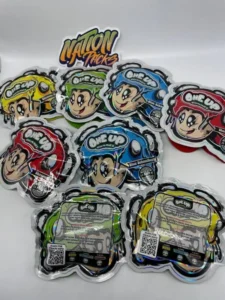
One Up Gummies are among the most searched formats in the branded mushroom-edible space, often