

Premium One Up Psilocybin Mushroom Chocolate Bars helps to Reset the brain
The global paradigm surrounding mental health, cognitive enhancement, and alternative botanical formulations is undergoing a
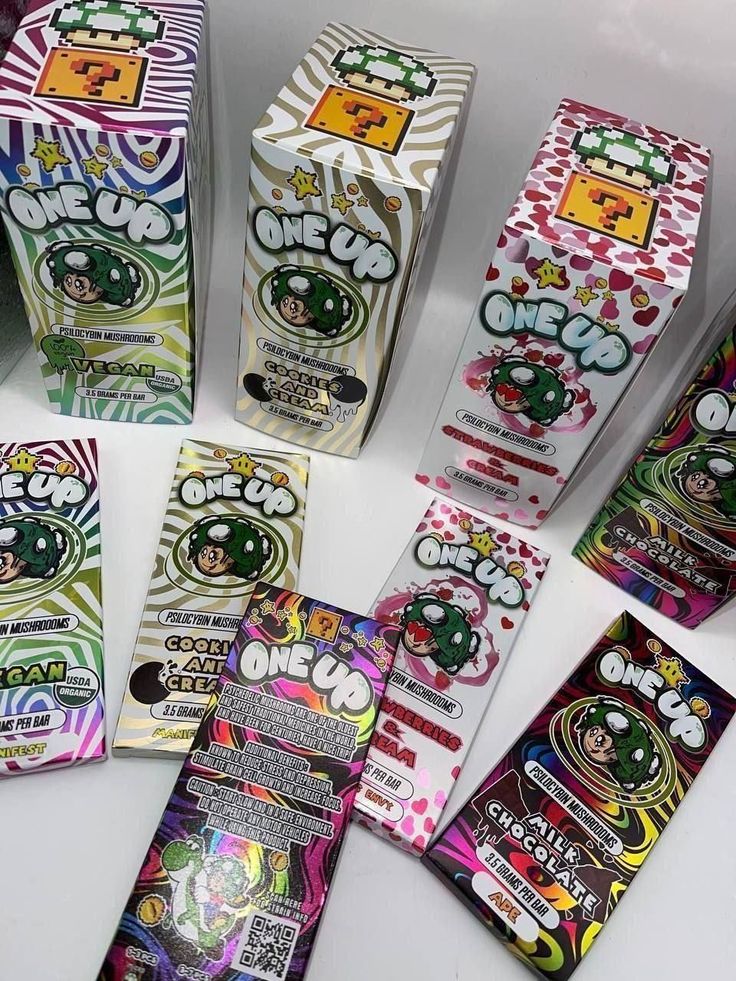
In recent years, the landscape of edible products in the United States has undergone a significant transformation. Among the most recognizable items in the “grey market” are One Up edibles. Often branded with nostalgic, gaming-inspired imagery, these products have become increasingly common in smoke shops, boutique retailers, and online marketplaces. While their popularity continues to climb, understanding the intersection of consumer interest, legal reality, and safety is essential.
The surge in demand for One Up products can be attributed to several factors that mirror the earlier rise of cannabis-infused goods.
The branding of these products is intentionally designed to evoke nostalgia. By leveraging imagery reminiscent of 8-bit gaming culture, the bars appeal to a demographic that grew up with these icons. This aesthetic creates an immediate, friendly familiarity that stands in stark contrast to the often clinical or unappealing ways traditional dried mushrooms are presented.
The broader cultural acceptance of cannabis edibles has paved the way for other psychoactive-labeled products. Consumers who have become accustomed to purchasing regulated cannabis treats in states where such markets exist often assume a similar level of safety and regulation applies to all “edible” market segments.
Traditional mushrooms are frequently cited for their pungent, earthy taste—often described as “nutty dirt.” One Up chocolate bars and other premium edibles mask these flavors with high-quality chocolate, caramel, or hazelnut, making the experience more palatable. For many, the convenience of a pre-dosed, portable format is the primary driver for choosing these items over raw botanical options.
While these products are marketed as mushroom edibles, it is vital to understand that they exist in a legally ambiguous space.
Unlike regulated markets where third-party testing is mandatory, the market for “shroom bars” is largely decentralized and unregulated. Recent scientific studies have highlighted alarming findings: many products labeled as containing psilocybin actually contain no psilocybin at all. Instead, they may be adulterated with synthetic tryptamines, caffeine, cannabis, or kava. Because these products are manufactured without oversight, there is zero guarantee that the label reflects the contents.
There is currently no state in the U.S. that permits the retail sale of psilocybin-infused chocolate bars. Under federal law, psilocybin remains a Schedule I controlled substance.
If you are curious about this trend, you should familiarize yourself with these common inquiries:
What exactly is inside a typical shroom bar? As indicated by recent laboratory analysis, contents are unpredictable. You may find synthetic chemicals, undisclosed herbal ingredients, or, in some cases, no active ingredients at all.
Why is there no oversight? Because psilocybin is federally prohibited, there is no FDA-level regulatory body managing these products. This creates a “buyer beware” environment where transparency is absent.
What are the primary safety risks? Beyond the lack of ingredient transparency, consuming unregulated psychoactive substances can lead to psychological distress, impaired judgment, and unpredictable physical reactions. Children are particularly at risk, as attractive packaging can make these products appear indistinguishable from standard candy.
Are there safe, legal alternatives? For those interested in the mycological world for educational or wellness purposes, it is best to stick to products that do not claim psychoactive effects unless you are within a state-sanctioned, licensed therapeutic program. Platforms like ukmushroom.com or the ukmushroom.uk portal provide educational resources on fungal biology and non-psychoactive mushrooms, which are distinct from the grey-market edible trade.
If you are navigating the current marketplace, it is important to utilize resources that offer clear categorization. At buyoneupmushroombar.us, consumers are provided with a range of options that highlight the diversity of the current “One Up” phenomenon:
Note: Always remember that the information provided by such vendors is part of the grey market experience and should be reviewed with the understanding that these products are not regulated by the FDA.
It is crucial to balance your interest with objective, scientific research. Websites like WorldScientificImpact.org host data regarding the potential therapeutic future of psilocybin, while ibogawell.com discusses the broader context of traditional plant medicine. When you look at WIKIPEDIA, you can find the historical and chemical context of these substances, which is far more reliable than the claims found on social media or product wrappers.
The fascination with these edibles is not confined to the U.S. From the strict legal environments of Dubai and the United Arab Emirates to the nuanced regulations in Germany, France, Sweden, Finland, Belgium, the Netherlands, Australia, and New Zealand, it is vital to know that these products are treated with varying levels of scrutiny. In many of these countries, the possession of psilocybin—regardless of whether it is in a chocolate bar—is a serious criminal offense. Always research the local statutes in your specific region before interacting with any grey-market product.
The global paradigm surrounding mental health, cognitive enhancement, and alternative botanical formulations is undergoing a
The global wellness movement has experienced an extraordinary paradigm shift, turning its focus toward functional
The international wellness landscape is currently experiencing a massive evolution, driven by an increased consumer