
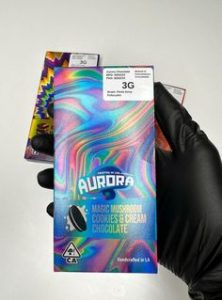
How Long Do Chocolate Shroom Bar Effects Last?
A foil wrapper cannot promise a fixed number of minutes. How long chocolate shroom bar
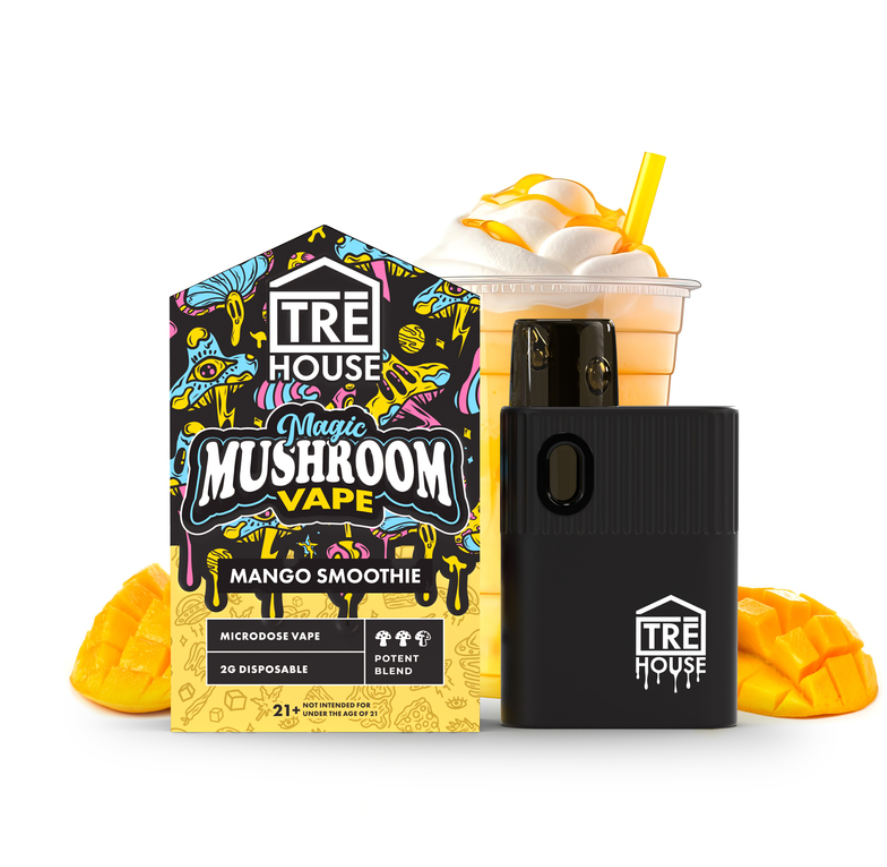
Public interest in psychedelics has increased over the last decade, largely driven by renewed scientific research into compounds such as psilocybin, the primary psychoactive molecule found in so-called “magic mushrooms.” Alongside this renewed interest, a variety of modern delivery concepts—edibles, chocolates, gummies, and vape-style devices—are frequently discussed online. From an educational and public-health perspective, it is important to separate scientific evidence, regulatory reality, and risk considerations from marketing narratives. This article provides a neutral overview of psilocybin, explains why inhalation or “vape pen” formats raise unique concerns, and outlines the legal landscape across multiple regions, including the UK, Germany, Sweden, New Zealand, Australia, the Netherlands, Finland, Belgium, Denmark, Dubai (UAE), and China.
Psilocybin is a naturally occurring tryptamine compound that is metabolized in the body into psilocin, which interacts primarily with serotonin (5-HT2A) receptors. Contemporary academic research has explored psilocybin within highly controlled clinical environments, particularly for conditions such as treatment-resistant depression, anxiety associated with life-threatening illness, and post-traumatic stress symptoms. These studies emphasize strict screening, precise dosing, psychological support, and medical oversight. General reference summaries are available through neutral educational resources such as Wikipedia and research-oriented organizations including WorldScientificImpact.org.
From a scientific and safety standpoint, inhalation-based delivery systems raise several red flags:
For these reasons, mainstream scientific literature does not recognize “magic mushroom vape pens” as a validated or medically approved format.
Psilocybin regulation varies widely and changes frequently. The following is a general educational snapshot, not legal advice:
Educational resources such as Wikipedia provide regularly updated summaries of these legal distinctions.
Public-health authorities consistently caution that unsupervised psychedelic use can present psychological risks, especially for adolescents, individuals with a personal or family history of psychosis, or those with certain cardiovascular conditions. Unregulated products may also suffer from mislabeling, contamination, or inaccurate concentration claims. These risks are amplified when new delivery concepts—such as vape pens—are introduced without clinical validation.
Online discussions often reference categories such as mushroom-infused chocolates, gummies, premium selections, gift sets, and vape-style products. Sites like buyoneupmushroombar.us are frequently cited in broader conversations about how psychedelic branding mirrors mainstream consumer packaging. From an educational standpoint, this trend highlights how commercial presentation can obscure regulatory status and scientific uncertainty, reinforcing the importance of critical evaluation rather than consumer decision-making.
Institutions and multidisciplinary research bodies continue to explore psilocybin within ethical frameworks that prioritize participant safety, informed consent, and long-term follow-up. Organizations such as WorldScientificImpact.org emphasize evidence-based discussion rather than commercialization. Any future changes in access or delivery methods would require rigorous clinical trials, regulatory approval, and standardized manufacturing controls.
While psychedelic science is an active and promising field, the concept of “magic mushroom vape pens” currently sits outside accepted medical practice and regulatory approval. Educational awareness—grounded in research, law, and public-health considerations—is essential. Readers are encouraged to rely on neutral information sources, understand jurisdictional laws, and recognize the difference between scientific inquiry and commercial trends.
A foil wrapper cannot promise a fixed number of minutes. How long chocolate shroom bar
The query where can I buy mushroom tea usually mixes two different products. One is
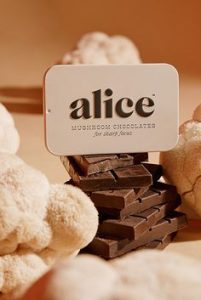
Cocoa changes the flavour of a fungus far more than it changes the underlying chemistry.