

One Up Mushroom Chocolate Bars: Canada & US Shroom Store Insights
The global shift toward holistic mental wellness, daily cognitive enhancement, and natural stress relief has
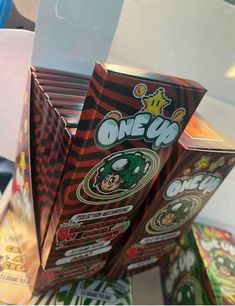
One Up chocolate bars, particularly variants like the Multiverse series, have sparked curiosity about their nutritional profile. Often marketed through sites such as buyoneupmushroombar.us—with categories including gift sets, one-up-magic-mushroom-chocolate-bars, mushroom flavors, premium selection, chocolate bars, gummies, and magic mushroom vapes—these products are typically presented as infused edibles. However, detailed nutritional facts are rarely provided, raising important questions for health-conscious consumers.
At their core, One Up bars resemble standard chocolate bars, made primarily from cocoa, sugar, milk (in milk chocolate variants), and emulsifiers. Dark chocolate versions may have higher cocoa content, while flavors like almond crush or caramel add nuts or sweeteners. Some promotional materials on similar sites claim lower calories—around 45 per serving—with reduced sugar compared to traditional chocolate. These figures suggest a lighter indulgence, potentially appealing for those monitoring intake.
However, official product pages on buyoneupmushroombar.us and affiliated listings do not disclose full nutritional labels. No breakdowns for calories, fats, carbohydrates, proteins, sugars, or micronutrients appear in descriptions for items like One Up Multiverse Almond Crush or milk chocolate bars. This lack of transparency is common in unregulated edibles, where focus shifts to experiential claims rather than standard food labeling.
Chocolate itself offers some nutritional benefits. According to Wikipedia, dark chocolate contains flavonoids with antioxidant properties, magnesium, iron, and fiber from cocoa solids. A typical 100g milk chocolate bar might contain 500-550 calories, 30g fat, 50-60g carbs (mostly sugars), and minimal protein. If One Up bars follow similar recipes with claimed reductions, per-serving calories could be lower, but without lab-verified data, this remains speculative.
Many One Up products are explicitly labeled as “psilocybin mushroom” infused, drawing from psychedelic mushrooms. Psilocybin mushrooms add negligible calories—dried varieties have about 20-30 calories per gram, mostly from fiber and trace proteins—but contribute compounds like psilocybin and psilocin. These are not nutrients; they are psychoactive alkaloids with no established daily value.
Emerging research, highlighted on platforms like WorldScientificImpact.org, explores psilocybin’s potential in mental health therapies. In controlled studies, it shows low physical toxicity, but unregulated additions in chocolate bars introduce variables. Some brands blend in functional (non-psychedelic) mushrooms like lion’s mane for claimed cognitive benefits, adding polysaccharides and beta-glucans that support immunity without calories.
Yet, in psilocybin-focused products, the “nutritional” aspect is overshadowed by effects on serotonin pathways, not macronutrients.
In the UK, Germany, Sweden, New Zealand, Australia, and the Netherlands, psilocybin remains controlled:
Unregulated bars from online sources often lack purity testing, meaning actual contents—and thus true nutritional facts—vary widely. Contaminants or inconsistent dosing pose risks beyond calories.
Standard food regulations require labels for calories, fats, sugars, and allergens. Edibles claiming mushroom infusion rarely comply, especially if psychoactive. This opacity can mislead consumers expecting a “healthier” treat. For instance, high sugar in chocolate contributes to energy spikes, while added compounds may interact unpredictably.
For genuine nutritional benefits without risks, consider legal functional mushroom chocolates. These use non-psychedelic varieties like lion’s mane (for focus), reishi (for stress relief), or cordyceps (for energy). They often provide clear labels: e.g., 100-200 calories per bar, low sugar options, added vitamins, and fiber from mushrooms.
In the UK, reputable suppliers offer these wellness-focused treats—check resources like ukmushroom.uk for verified products with transparent nutrition. Similar options are available across Europe, Oceania, and beyond, supporting daily health with evidence-based ingredients.
In conclusion, One Up chocolate bar nutritional facts are sparsely documented, with estimates suggesting moderate calories and chocolate-derived nutrients, complicated by unregulated infusions. Prioritize products with full disclosure for safety and accuracy. Opt for functional alternatives to enjoy mushroom-chocolate synergy legally and nutritiously.
The global shift toward holistic mental wellness, daily cognitive enhancement, and natural stress relief has

In a world filled with constant digital distractions, keeping your mind sharp and locked on
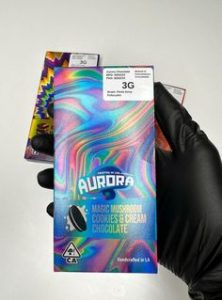
A foil wrapper cannot promise a fixed number of minutes. How long chocolate shroom bar