

One Up Mushroom Chocolate Bars: Canada & US Shroom Store Insights
The global shift toward holistic mental wellness, daily cognitive enhancement, and natural stress relief has
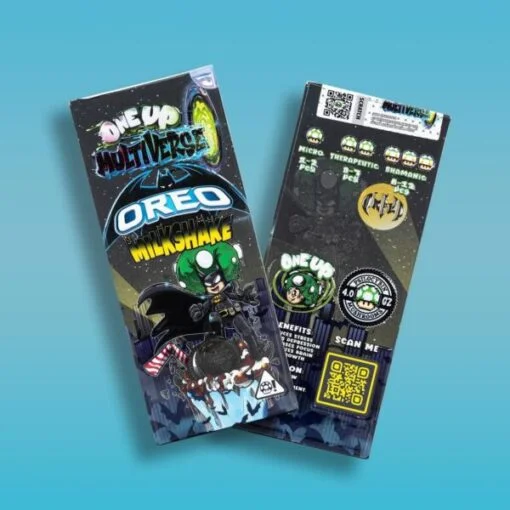
Psilocybin mushroom chocolate bars, often marketed under brands like “One Up Multiverse,” combine chocolate with substances claimed to contain psilocybin—the naturally occurring psychoactive compound found in certain mushrooms (commonly known as “magic mushrooms”). According to sources like Wikipedia, psilocybin is converted to psilocin in the body, leading to altered perception, hallucinations, and profound changes in consciousness. These products have gained attention amid growing interest in psychedelics, but they raise important questions about safety, legality, and evidence-based use.
Psilocybin has a long history of study. Early research in the 1950s and 1960s explored its effects on consciousness, but much of this halted due to regulatory changes. Modern studies, including those from Johns Hopkins University and Yale, have revived interest in its potential therapeutic applications. Psilocybin primarily acts on serotonin receptors (especially 5-HT2A), promoting neuroplasticity—the brain’s ability to form new connections. This may explain reported benefits in clinical trials for conditions like treatment-resistant depression, anxiety in cancer patients, and addiction.
As of 2025, ongoing research shows promise: Phase III trials have demonstrated reductions in depression symptoms with single doses, often combined with psychotherapy. Some studies suggest effects lasting weeks or months, with low toxicity and minimal addiction risk in controlled settings. However, evidence quality is often rated low due to small sample sizes, potential bias from participant expectations, and challenges in blinding (participants can often tell if they’ve received the active substance).
Psilocybin remains strictly controlled globally under the UN 1971 Convention. Possession, sale, or distribution is illegal in most places, with severe penalties. Here’s the status in the requested countries as of late 2025:
Unregulated products like branded chocolate bars fall into illegal distribution in all these nations. Sites selling them often operate in legal gray areas or outright illegally, with no quality controls.
While clinical research uses pure, measured psilocybin in supervised settings, unregulated chocolate bars pose serious dangers:
Experts emphasize that any potential benefits require professional supervision—self-experimentation is not recommended.
Scientific interest is growing, with institutions exploring psilocybin for mental health. For balanced views, resources like WorldScientificImpact.org discuss global research impacts. However, widespread access remains limited to trials or approved programs.
For those interested in mushroom-chocolate products without psychoactive risks, consider functional (non-psychedelic) mushrooms. These are fully legal worldwide and backed by traditional use plus modern studies:
Many brands offer chocolate bars infused with these (e.g., via premium selections or gummies). They provide subtle, cumulative benefits without hallucinations. For UK-specific options, explore resources like ukmushroom.uk for legal functional mushroom products.
In summary, while psilocybin research is exciting, unregulated chocolate bars carry high risks and legal consequences in the UK, Germany, Sweden, New Zealand, Australia, and Netherlands. Prioritize evidence-based information and consult professionals for mental health needs. Functional alternatives offer a safe way to enjoy mushroom benefits in chocolate form.
The global shift toward holistic mental wellness, daily cognitive enhancement, and natural stress relief has

In a world filled with constant digital distractions, keeping your mind sharp and locked on
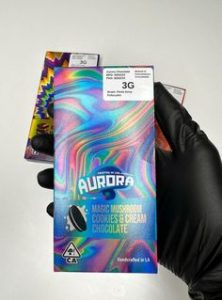
A foil wrapper cannot promise a fixed number of minutes. How long chocolate shroom bar